A broiler house is built once and used for many years. A change that costs little on paper costs a great deal once the concrete is poured.
See a finished house first
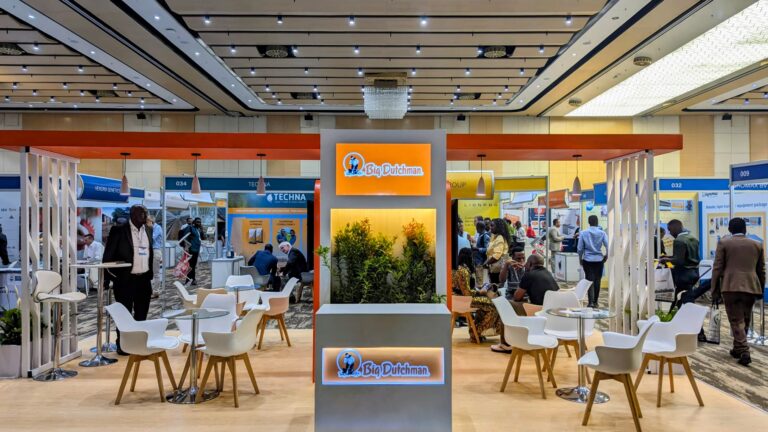
Walk through a Big Dutchman installation in our 360 degree virtual tour and see how the feed lines, water lines, fans and inlets fit together. The tour was set up for our website by Lilac Fragment.
The time to get the details right is before building starts. These are the questions we suggest every farmer answers before signing off a new house.
Before you build, settle
- Broiler house site and size
- Ventilation, cooling and heating
- Feed and water
- Power
- Running the house
- Biosecurity
Broiler house site and size
- How many birds do you want to place each cycle, and how many houses will that take?
- Which way should the house face, given the sun and the wind on your site?
- Is there room to add another house later, with enough space between houses for vehicles and biosecurity?
- Can a feed truck and a bird collection truck reach the house in wet weather?
Ventilation, cooling and heating
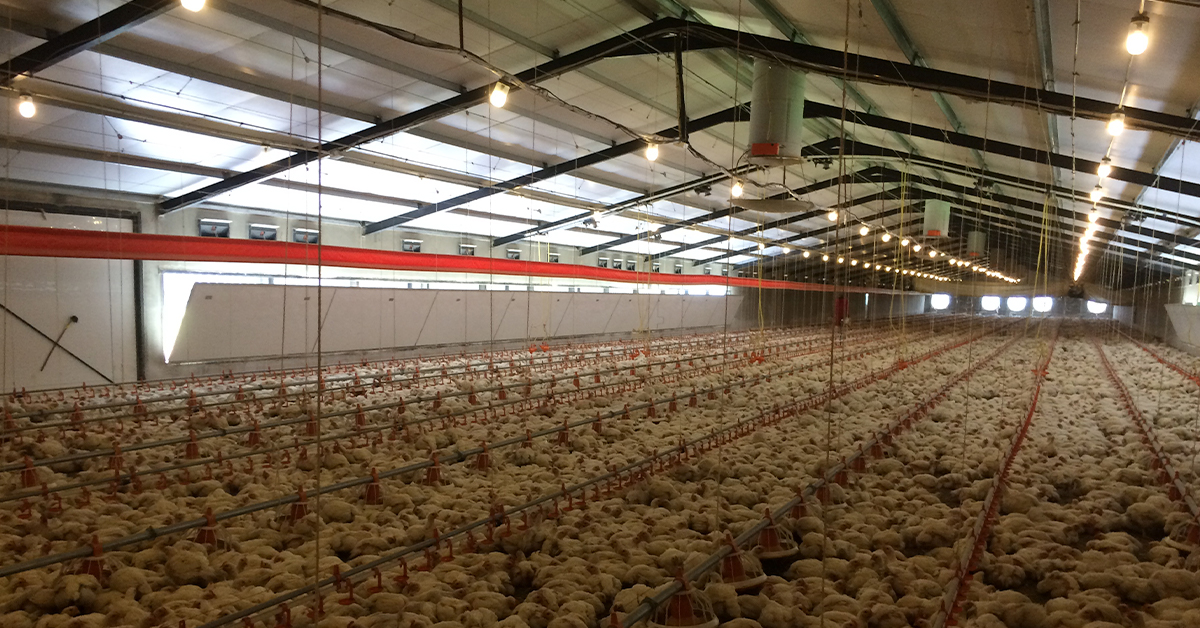
Most problems in a broiler house come back to air. Decide early how fresh air will come in, how stale air will leave, and how you will keep birds cool on hot afternoons and warm on cold nights. Our article on wall inlets for pig and poultry production explains how air enters a house.
Size for the hardest days, not the average ones
Plan fans, inlets, cooling and heating for the hottest and coldest days on your site. A house that only copes with an average day will cost you birds in a heat wave.
If your site gets cold winters and power is unreliable, read about our coal-fired heaters.
Feed and water
- Where will the feed silos stand, and how will feed reach the lines inside?
- How many feeder and drinker lines will the house need, and how far apart will they run?
- Where does your water come from, and how much storage do you need if supply stops for a day?
Our broiler production range covers feeding, drinking and climate equipment for every part of the house.
Power
Fans, feed lines and drinkers all run on electricity. Plan for backup power that can carry the whole house through a power cut, and an alarm system that warns you when power or temperature goes wrong.
Test the backup regularly, not only on the day the grid fails. A generator that has not run for months is a risk you only discover at the worst moment.
Running the house
A modern broiler house is run from a climate controller. Decide early who will manage it day to day, and make sure they are trained before the first birds arrive. We run broiler controller training days for exactly this reason.
Plan where the controller will sit, so it is protected from dust and moisture and easy to reach. Think about who will respond to an alarm at night, and how quickly they can get to the house.
Biosecurity
Plan one clean way into the house, with a place for workers to change clothes and boots and wash their hands. Keep the ground around the house clear, so it is easy to clean between cycles.
Decide where dead birds will be collected and disposed of, where used litter will go at the end of each cycle, and how delivery vehicles will be kept away from the house entrance.
See a layout before you commit
Drawings only tell part of the story. Before you settle on a layout, go back to the virtual tour and compare it with your plans.
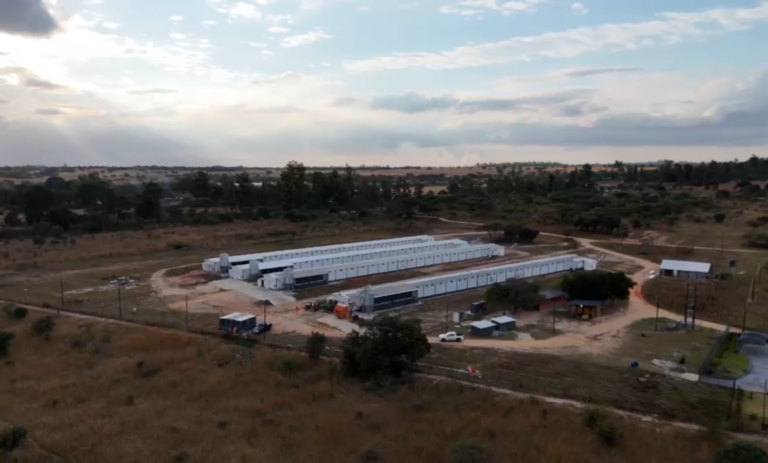
You can also browse our recent projects to see broiler houses we have built across southern Africa.
Bring your answers to us
When you have worked through these questions, our team can help turn them into a broiler house design and equipment list for your farm.